twoleafgarden
N/A%
User approval
0 - 0
Cmpltd - Fld tasks
0pts
Contribution
Bio
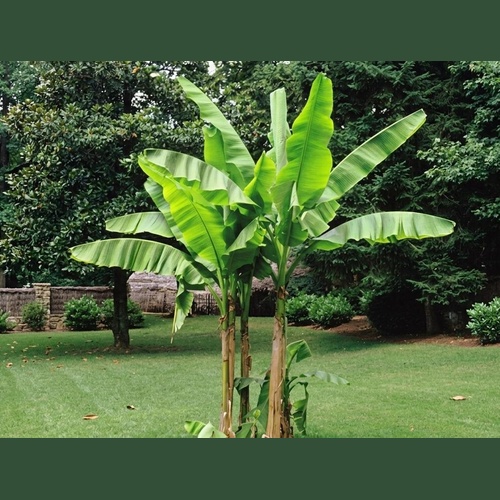
"The three numbers on a fertilizer bag tell you the ratio of nitrogen, phosphorus, and potassium. For bananas, that ratio matters more than the brand or the price. Nitrogen is the leaf-making nutrient. It supports the rapid growth of the plant's large leaves and gives them their deep green color. Phosphorus helps with root health, energy use, and the development of flowers and fruit. Potassium is the workhorse for bananas. It is involved in nearly every process that drives fruit quality, stem strength, and the plant's ability to handle stress. A banana plant that lacks potassium will show it clearly: older leaves turn yellow and brown at the edges, the pseudostem becomes weak, and fruit\u2014if any develops\u2014is small and poor quality.\nWhen you read a fertilizer label, the NPK numbers are percentages. A 10-10-10 product contains 10% of each nutrient. A 6-2-12 product contains 6% nitrogen, 2% phosphorus, and 12% potassium. Bananas need a high-potassium, low-phosphorus formula. The recommended ratio is roughly 3:1:6, so a 6-2-12 or 8-2-12 blend is a good match. Products labeled for tomatoes or lawns are usually wrong for bananas because they have too much phosphorus and not enough potassium. At twoleafgarden.com, the recommendation is to look for a formula with the highest number in the third position.\nFor gardeners new to [banana tree care,](https:\/\/twoleafgarden.com\/banana-tree-fertilizer) the simplest rule is to choose a fertilizer with an NPK ratio close to 3:1:6 and apply it once a month during the growing season. Water after applying so the nutrients reach the roots. Broadcast the fertilizer in a ring around the base, starting several inches from the pseudostem. Avoid piling it against the plant. Whether growing a tropical variety or a cold hardy banana tree, matching the fertilizer to the plant's actual nutrient needs is the most important step."
Skills
"No skills have been described."